McKeown Medical
167 Bath Street, Glasgow, G2 4SQ
McKeown Medical
167 Bath Street, Glasgow, G2 4SQ
Published by Dr Darren McKeown
Date posted — 12.05.25
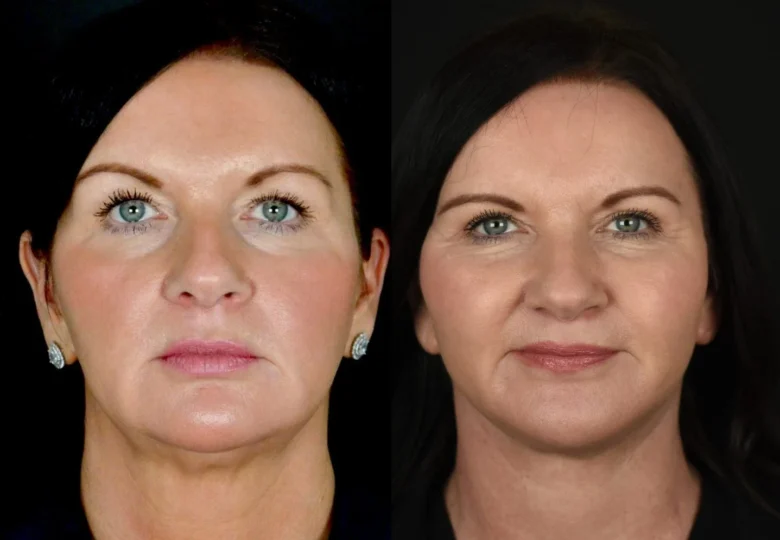
Facelift procedures have seen a significant rise in popularity in recent years, thanks to growing awareness, advances in surgical techniques, and increasing demand for subtle, rejuvenating results. The most pivotal change has been the re-popularisation of the deep plane facelift, which has now reached consensus among surgeons as the gold standard method of performing a facelift. However, it is a more complex procedure, and most of us would prefer a quicker, easier fix, such as a mini facelift.
If you’re considering a facelift but are unsure about which treatment will deliver the best results for your needs, you’re not alone. At McKeown Medical, we understand that choosing the right facelift can feel overwhelming. In this article, we’ll break down the differences between a mini facelift and a deep plane facelift, highlight the pros and cons of each, and help guide you toward the best option for your aesthetic goals.
A deep plane facelift is an advanced surgical technique that repositions the deeper layers of facial tissue, not just the skin. This method allows for a more natural, longer-lasting result by lifting the cheeks, jawline, and neck in one comprehensive movement. Unlike traditional facelifts that are performed more superficially, a deep plane facelift avoids the “pulled” look by going deeper into the face and releasing the retaining ligaments to allow the face to be truly repositioned, rather than just stretched around the sides.
A full facelift is essentially a combination of procedures that address different aspects of facial ageing. In addition to the deep plane facelift, a full facelift will usually also include eyelid surgery (or blepharoplasty), brow lift, or lip lift surgery. This is designed to produce the most comprehensive rejuvenation of the entire face and neck.
Benefits:
Recovery:
Patients typically require two to three weeks of downtime, with swelling and bruising gradually subsiding. The full results continue to refine over several months.
A mini facelift is a less invasive version of the traditional facelift. With the mini facelift, there is much less dissection, and the lifting effect relies on placing tension in the tissues around the sides of the face.
Benefits:
Recovery:
Most patients can return to work and social activities within a week or two. However, the improvement is typically more modest and may not address deeper structural issues or neck laxity.
While a mini facelift may seem appealing due to its lower cost and shorter recovery, the lifting effect tends to be short-lived, and because the technique relies on tension being placed on the tissues, it is more likely to look pulled or stretched than the more complex deep plane technique, which focuses on releasing and repositioning the deep tissues of the face.
For patients who desire meaningful, long-term improvement, a mini facelift may not offer the scope needed to achieve their goals.
The ideal facelift technique will depend on the degree of facial ageing, your aesthetic goals, and your individual facial anatomy.
Our team can assess your facial structure and recommend the most suitable treatment plan, whether that’s surgical or non-surgical.
Choosing the right facelift procedure can be life-changing, not just in terms of appearance but also in confidence. At McKeown Medical, our highly qualified and experienced team will work closely with you to ensure you receive the most appropriate treatment tailored to your needs.
With years of expertise and a commitment to natural-looking results, we’re here to help you look and feel your best. Check out our before-and-after gallery to see real patient transformations after their facelift treatment journey.
Ready to find out which facelift is right for you?
At McKeown Medical, we can help get you the results you are looking for. Book a consultation today to discuss our available treatment options and get advice on how to move forward to get the look you want.
1 / 3
2 / 3
3 / 3
When you first make contact with us you will be assigned your own personal Patient Relationship Manager. They’ll start by understanding your needs and liaising with our doctors to book you an appointment with the most suitable specialist. For any additional questions or needs, you can message or call them anytime and they’ll be delighted to assist you. Our entire team is dedicated to providing you with the best possible treatment and care tailored to your needs.
Keep up to date with the latest news from McKeown Medical and get access to expert insights, our latest before and afters and exclusive offers.


McKeown Medical
167 Bath Street, Glasgow, G2 4SQ
Copyright 2026 © Dr Darren McKeown - Cosmetic Surgery Clinic, Glasgow