McKeown Medical
167 Bath Street, Glasgow, G2 4SQ
McKeown Medical
167 Bath Street, Glasgow, G2 4SQ
Discover what ‘True Skin Age’ means, how it’s measured using VISIA, and the evidence-based ways to improve your biological skin age.

Published by Dr Darren McKeown
Date posted — 2.02.26
It is common for patients to know their chronological age, but very few know their biological skin age. In aesthetic medicine, these two numbers often don’t match.
Thanks to modern imaging systems like VISIA®, we can now estimate ‘True Skin Age’, a measure of how your skin is ageing relative to people of the same age and skin type.
Patients find this incredibly useful because it provides:
A baseline
A motivation marker
A treatment response tracker
An objective way to measure improvement
In this article, we break down what ‘True Skin Age’ means and how to lower it over time.
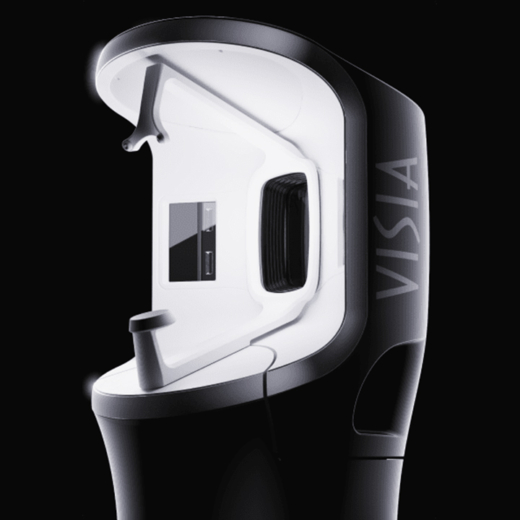
‘True Skin Age’ is a data-driven score generated by VISIA that compares your skin to a large global database of individuals of the same gender and age group. It takes into account markers such as:
UV damage
Pigmentation
Redness
Texture and pores
Collagen-related ageing
Porphyrins/bacteria
Fine lines and wrinkles
This score can be:
Younger than your chronological age
Equal to your chronological age
Older than your chronological age
Patients instantly grasp the concept, and are motivated to improve it.
Several external and internal factors accelerate skin ageing:
Sun and blue light drive:
Pigmentation
Collagen breakdown
Vascular damage
Actinic changes
This is the biggest modifiable determinant of skin age.
Both increase oxidative stress and impair circulation.
Oestrogen decline, thyroid disorders and diabetes can all alter skin physiology.
Chronic inflammation accelerates collagen loss and pigment formation.
Some individuals simply age more slowly or faster due to inherent biology.
Sleep, stress, alcohol and nutrition meaningfully influence:
Hydration
Barrier integrity
Collagen turnover
Understanding these drivers helps patients prioritise interventions.
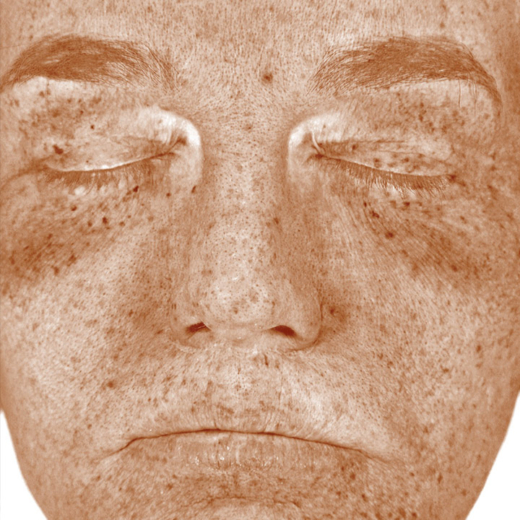
The VISIA system uses:
Multispectral imaging
RBX® technology for pigment/redness isolation
UV photography
Texture mapping
Pore analysis
Comparative population data
The software then assigns a biological skin age relative to peers.
This forms a baseline, enabling patients to measure change over time.
Here are the most evidence-based strategies:
UV drives pigmentation, redness, and collagen breakdown, so improving UV-related markers makes skin appear younger.
This may involve:
Pigmentation laser (for brown spots)
Vascular laser (for redness)
IPL/BBL (for photoageing)
Antioxidant serums (to reduce oxidative stress)
Broad spectrum SPF (daily)
Collagen density strongly influences biological skin age.
Clinically effective ways to stimulate collagen include:
Fractional resurfacing lasers
Non-ablative collagen-stimulating lasers
Full resurfacing lasers
Retinoids (topically)
Peptides (supporting mechanism)
VISIA’s wrinkle/texture metrics are particularly responsive to collagen treatments.
Uneven pigmentation adds years to perceived age. Strategies include:
Hydroquinone (short-term cycles if appropriate)
Tranexamic acid (melasma/PIH)
Laser/light therapy
Topical retinoids
Barrier repair for inflammation-driven PIH
Pigment reduction is one of the fastest ways to make skin look younger.
Diffuse redness is strongly associated with inflammatory ageing.
Vascular improvements typically involve:
Vascular lasers
IPL/BBL
Anti-inflammatory skincare
Trigger management (alcohol, heat, sun, stress)
Reducing redness improves clarity and uniformity, two strong youth markers.
Maintenance therapy matters. Important categories include:
Retinoids (cell turnover & collagen)
Vitamin C (antioxidant support)
Niacinamide (barrier & pigment suppression)
Peptides (signalling pathways)
Sunscreen (non-negotiable)
This protects investment in clinical treatments.
The real power of measuring skin age is proof of change.
Patients who re-test after 3–12 months typically see measurable improvements in:
UV damage scores
Pigment evenness
Redness
Texture
Biological age
This creates a gratifying feedback loop that sustains motivation.
While VISIA focuses on facial skin analysis, it is important to recognise that ageing affects the entire body, not just the face. Many patients also notice changes in areas such as the neck, chest, hands, and upper arms, where skin quality, tone, and elasticity can gradually decline over time.
For concerns like skin laxity or uneven texture in these areas, treatment options may include non-surgical approaches such as light-based therapies and body contouring, or surgical procedures, depending on the degree of change. For example, concerns such as ‘bingo wings’ can be addressed with treatments like CoolSculpting® and SkinTyte™, or upper arm lift surgery when more significant tightening is required.
Addressing both facial and body concerns as part of a comprehensive plan helps create more balanced, natural-looking results overall.
‘True Skin Age’ gives patients a meaningful framework for understanding their skin’s health and ageing trajectory. By combining objective measurement with targeted clinical treatments and sensible skincare, it is possible not just to look younger, but to biologically age more slowly at the level of the skin.
To book your VISIA skin assessment, call us on 0141 570 0309 or complete our simple online consultation.
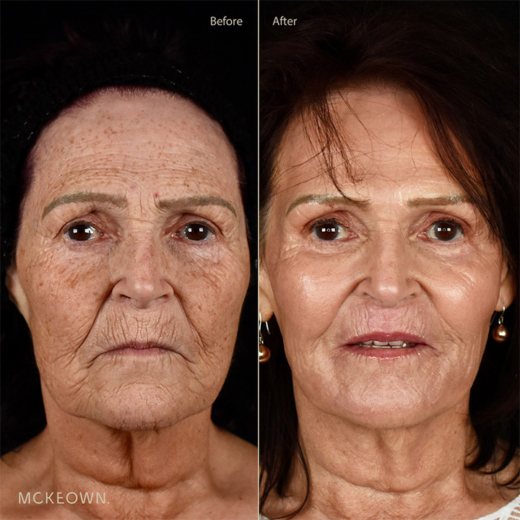
Skin quality is the missing piece in aesthetic medicine. Discover why tone, texture and clarity matter—and how lasers and VISIA...
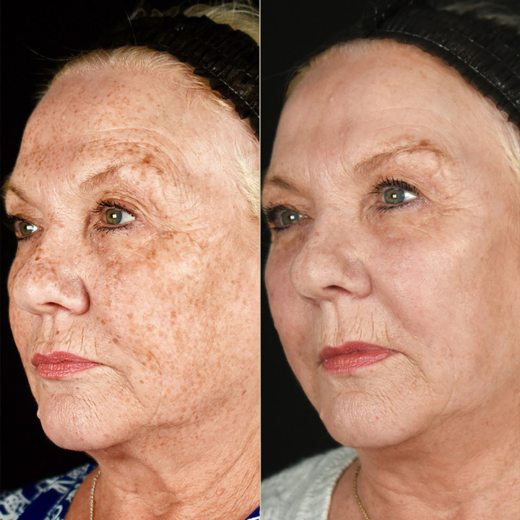
Pigmentation, redness and texture issues all have different causes. Learn what’s happening beneath the skin, and why VISIA analysis helps...
1 / 2
2 / 2
Skin quality is the missing piece in aesthetic medicine. Discover why tone, texture and clarity matter—and how lasers and VISIA...
Pigmentation, redness and texture issues all have different causes. Learn what’s happening beneath the skin, and why VISIA analysis helps...
When you first make contact with us you will be assigned your own personal Patient Relationship Manager. They’ll start by understanding your needs and liaising with our doctors to book you an appointment with the most suitable specialist. For any additional questions or needs, you can message or call them anytime and they’ll be delighted to assist you. Our entire team is dedicated to providing you with the best possible treatment and care tailored to your needs.
Keep up to date with the latest news from McKeown Medical and get access to expert insights, our latest before and afters and exclusive offers.


McKeown Medical
167 Bath Street, Glasgow, G2 4SQ
Copyright 2026 © Dr Darren McKeown - Cosmetic Surgery Clinic, Glasgow