McKeown Medical
167 Bath Street, Glasgow, G2 4SQ
McKeown Medical
167 Bath Street, Glasgow, G2 4SQ



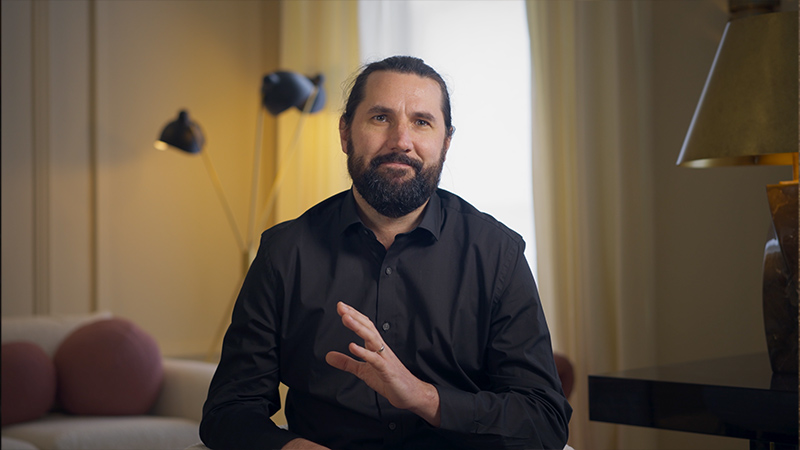
Dr Alex Vesey is our expert consultant vascular surgeon who heads up our varicose vein team at McKeown Medical. Here, he discusses whether varicose veins are hereditary.
Published by Dr Alex Vesey
Date posted — 15.08.24
Varicose veins can be hereditary, meaning they commonly run in families. We often see people in the clinic who say “my legs look just like my mum’s or my dad’s”.
If a close relative, like a parent or grandparent, has varicose veins, you are more likely to develop them as well. While heredity is a significant risk factor, other factors such as age, gender, obesity, and prolonged standing or sitting can also contribute.
We offer a range of treatment options for varicose veins including VenaSeal™ – the most up to date method of treating varicose veins that causes less pain and allows you to get back to normal almost immediately, without the hassle of wearing bandages or compression stockings.
Get in touch with our friendly team and we’ll help you find the right varicose vein treatment for you.
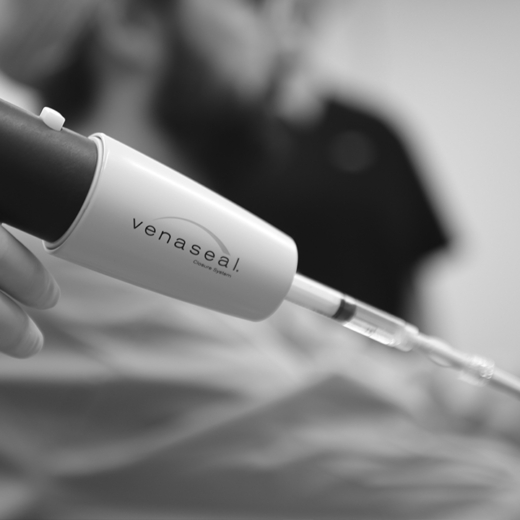
When it comes to treating varicose veins, VenaSeal™ has emerged as a revolutionary option that offers a minimally invasive and...
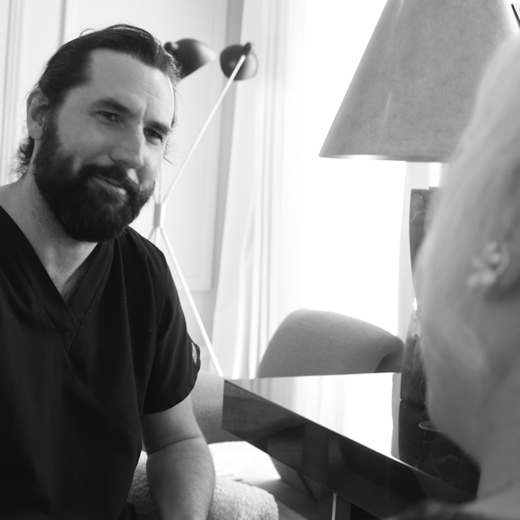
Radiofrequency ablation (RFA) and endovenous laser ablation (EVLA) are two minimally invasive treatments used to effectively treat varicose veins, but...
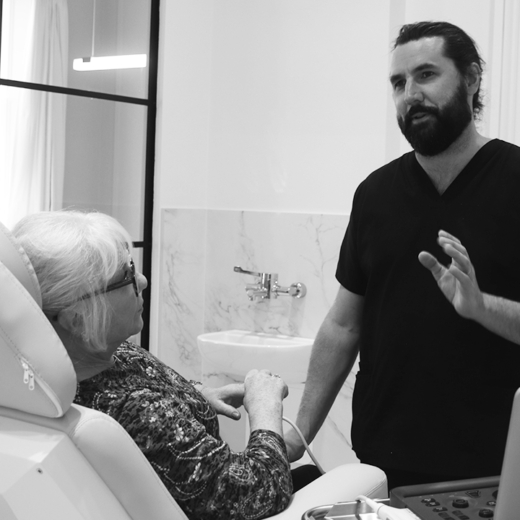
Varicose veins are enlarged, twisted veins that often appear just under the skin, primarily in the legs and feet.
1 / 3
2 / 3
3 / 3
When it comes to treating varicose veins, VenaSeal™ has emerged as a revolutionary option that offers a minimally invasive and...
Radiofrequency ablation (RFA) and endovenous laser ablation (EVLA) are two minimally invasive treatments used to effectively treat varicose veins, but...
Varicose veins are enlarged, twisted veins that often appear just under the skin, primarily in the legs and feet.
When you first make contact with us you will be assigned your own personal Patient Relationship Manager. They’ll start by understanding your needs and liaising with our doctors to book you an appointment with the most suitable specialist. For any additional questions or needs, you can message or call them anytime and they’ll be delighted to assist you. Our entire team is dedicated to providing you with the best possible treatment and care tailored to your needs.
Keep up to date with the latest news from McKeown Medical and get access to expert insights, our latest before and afters and exclusive offers.


McKeown Medical
167 Bath Street, Glasgow, G2 4SQ
Copyright 2026 © Dr Darren McKeown - Cosmetic Surgery Clinic, Glasgow