McKeown Medical
167 Bath Street, Glasgow, G2 4SQ
McKeown Medical
167 Bath Street, Glasgow, G2 4SQ

Published by Dr Alex Vesey
Date posted — 18.07.25
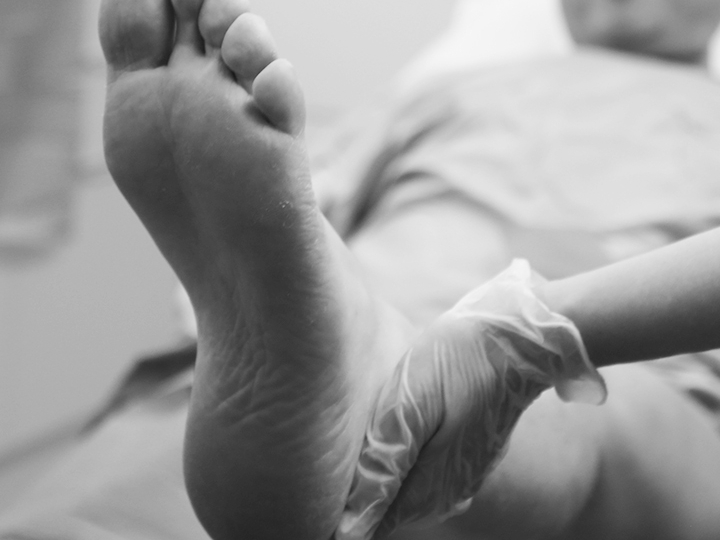
Varicose veins affect around 20% of the population in Scotland, yet many people are unaware of the early signs or may mistake them for something less serious. Symptoms often start subtly, such as aching legs, mild swelling, or changes in skin texture, which can easily be dismissed as normal ageing or tiredness. However, varicose veins are progressive, meaning they tend to worsen over time if left untreated. The good news? Early intervention can make a dramatic difference, not just cosmetically, but in how your legs feel and function.
At McKeown Medical, we believe that educating people early about the signs of varicose veins can help reduce complications, improve quality of life, and make treatment more straightforward. If you’ve ever wondered what to watch for, here’s what you need to know.
To understand varicose veins, it is helpful to start with how the veins in your legs function. The venous system carries deoxygenated blood back to your heart. In the legs, blood must flow upwards against gravity, and this is made possible by a series of one-way valves inside the veins that keep blood flowing in the right direction.
When these valves become weakened or damaged, blood can pool in the lower veins, causing them to become enlarged, twisted, and bulging—what we recognise as varicose veins.
Common misconceptions:
Here are the signs to look out for in the early stages, even before veins become obviously visible:
A common early symptom. Your legs may feel heavy or tired, especially after standing or sitting for long periods. It’s often worse at the end of the day.
You might notice a dull ache or throbbing sensation in your legs. This may be more noticeable during hot weather or after physical activity.
Mild swelling around the ankles or lower legs may come and go, often mistaken for fluid retention or standing too long.
Look for dryness, itchiness, or a mild brown discolouration of the skin. Over time, untreated varicose veins can cause eczema-like changes or even hardening of the skin (lipodermatosclerosis).
Early varicose veins may appear as thin, blue or purple lines beneath the skin before they bulge. Don’t ignore these subtle signs.
Many people describe a strong urge to move their legs at night or experience nighttime cramps, often one of the first clues that something is wrong with the venous circulation.
You may feel a burning or tingling sensation in the lower legs, which may be confused with nerve issues or simple fatigue.
These symptoms often worsen with prolonged standing and improve with elevation, a key distinction from other causes of leg discomfort. Most varicose veins occur in the lower legs, but they can also affect the thighs, ankles, or feet.
While anyone can develop varicose veins, some people are more prone than others. Having risk factors doesn’t guarantee you’ll develop the condition, but it does increase the likelihood, especially if multiple factors apply.
Non-modifiable risk factors:
Modifiable risk factors:
If you’re in a high-risk group, early screening and lifestyle changes can help delay or prevent symptoms altogether.
If you’re noticing any of the signs above, or if you’re in a high-risk group and want peace of mind, it’s worth booking a consultation. Many people wait until symptoms become severe, but earlier assessment often means simpler, less invasive treatment options.
At McKeown Medical, we offer a wide range of modern treatments, including:
Varicose veins are common, but they don’t need to be permanent. Catching the early signs can make a significant difference—not only in how your legs look but also in how they feel. With modern, minimally invasive treatment options, managing varicose veins has never been easier.
At McKeown Medical, we offer the latest diagnostic tools and treatment options tailored to your needs. Whether you’re noticing the first signs or want to be proactive, our team is here to help you feel confident and comfortable again.
Varicose veins are common, but can easily be treated. At McKeown Medical, we have a wide range of treatment options available that can help combat this issue. Discuss which treatment may be best for you and book a consultation with our team today.
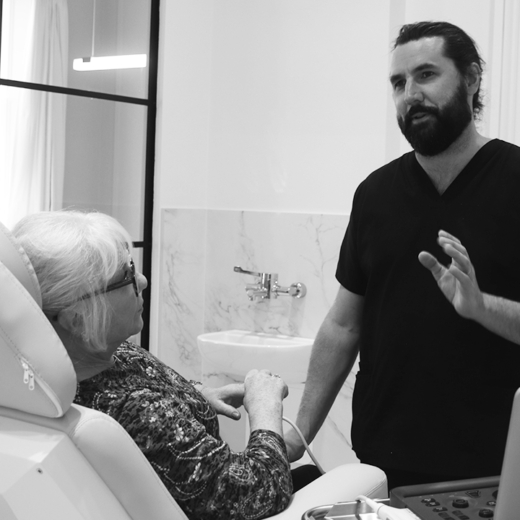
Varicose veins are enlarged, twisted veins that often appear just under the skin, primarily in the legs and feet.
1 / 3
2 / 3
3 / 3
Varicose veins are enlarged, twisted veins that often appear just under the skin, primarily in the legs and feet.
When you first make contact with us you will be assigned your own personal Patient Relationship Manager. They’ll start by understanding your needs and liaising with our doctors to book you an appointment with the most suitable specialist. For any additional questions or needs, you can message or call them anytime and they’ll be delighted to assist you. Our entire team is dedicated to providing you with the best possible treatment and care tailored to your needs.
Keep up to date with the latest news from McKeown Medical and get access to expert insights, our latest before and afters and exclusive offers.


McKeown Medical
167 Bath Street, Glasgow, G2 4SQ
Copyright 2026 © Dr Darren McKeown - Cosmetic Surgery Clinic, Glasgow