McKeown Medical
167 Bath Street, Glasgow, G2 4SQ
McKeown Medical
167 Bath Street, Glasgow, G2 4SQ



Published by Dr Alex Vesey
Date posted — 24.04.25
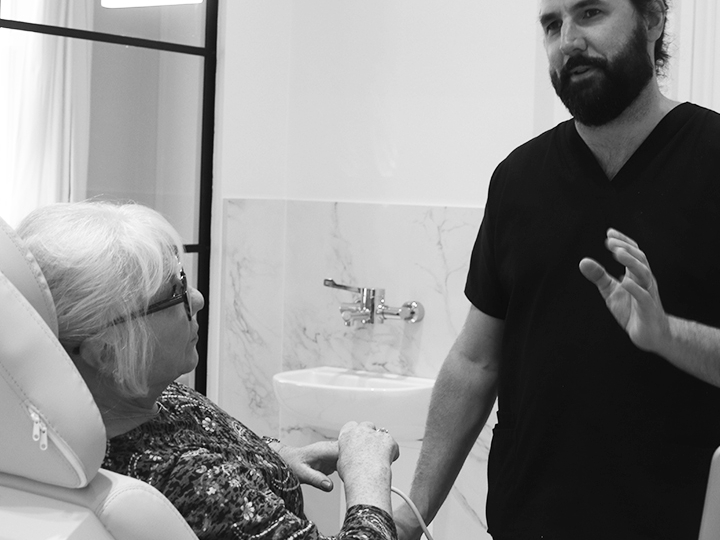
If you’ve ever noticed bulging, twisted veins on your legs – or felt aching or heaviness after standing for long periods – you might be wondering if you have varicose veins. This common condition affects up to 20% of people, yet many suffer in silence due to a lack of information or access to expert advice.
At McKeown Medical, we believe that understanding your body is the first step to taking care of it. In this article, we’re answering some of the most frequently asked questions about varicose veins, including how they develop, whether they’re dangerous, and the treatment options available.
Varicose veins are enlarged, swollen veins that typically appear on the legs and feet. They happen when the valves inside the veins stop working properly, causing blood to pool and the veins to bulge outward. This is due to increased pressure in the veins over time.
Anyone can develop varicose veins, but they’re more common in women, people over 50, those who are overweight, or individuals who stand for long periods – people like hairdressers or nurses who are on their feet all day at work.
Varicose veins are usually raised, twisted, and dark blue or purple in colour. They may be accompanied by symptoms like aching, heaviness, or swelling in the legs. Thread veins (also called spider veins), on the other hand, are much smaller, finer veins that appear just beneath the surface of the skin, often in a red, blue, or purple web-like pattern. Very often, both conditions co-exist, and sometimes you need a combination of treatments to get the best results.
If you’re unsure which type you have, a professional consultation can help clarify and guide you toward the most suitable treatment.
The main differences lie in their size, depth, and associated symptoms.
For some people, varicose veins can be painless. But for others, they can cause aching, throbbing, burning, or a heavy feeling in the legs, especially after standing for long periods. You might also notice cramping or itching around the vein area. If you’re experiencing discomfort, it’s worth discussing it with a medical professional.
Yes, heredity plays a strong role. If one or both of your parents had varicose veins, your chances of developing them are significantly higher. Other risk factors include pregnancy, hormonal changes, and prolonged standing or sitting.
While they’re often dismissed as a cosmetic issue, varicose veins can lead to serious complications if left untreated. These include:
It’s always better to address them early before complications develop.
Yes—although it’s not common, untreated varicose veins can occasionally rupture due to the pressure buildup. This can lead to sudden bleeding under the skin or even through the skin, especially if the vein is close to the surface.
Unfortunately, no. Varicose veins won’t disappear without intervention. While lifestyle changes like elevating your legs, wearing compression stockings, or maintaining a healthy weight can help ease symptoms, they won’t eliminate the diseased veins themselves. If left untreated, the condition usually worsens over time.
Varicose veins can usually be effectively treated using minimally invasive treatments. At McKeown Medical, we offer a wide range of options, including:
A consultation with our expert vascular surgeon will help determine which option best suits your condition and lifestyle.
Varicose veins are more than just a cosmetic issue—they can impact your comfort, confidence, and long-term health. At McKeown Medical, our expert team is here to guide you through your options and provide the care you deserve.
If you’re struggling with varicose veins, we’re here to help. Book a consultation today to explore the right treatment for you.
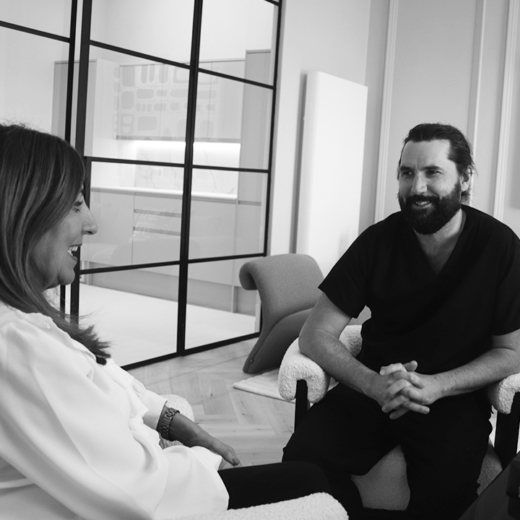
Dr Alex Vesey discusses whether varicose veins can cause high blood pressure.
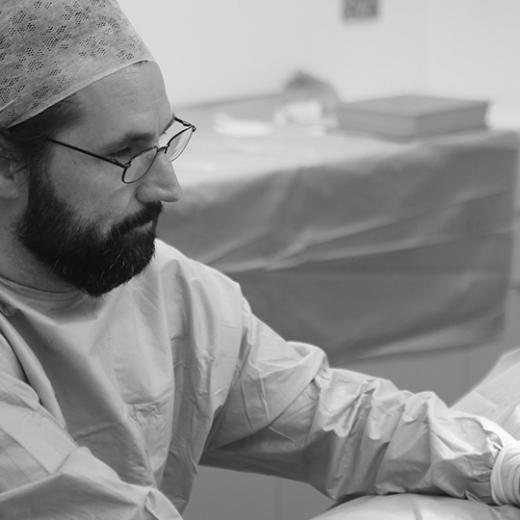
Dr Alex Vesey discusses whether varicose veins can come back after treatment.
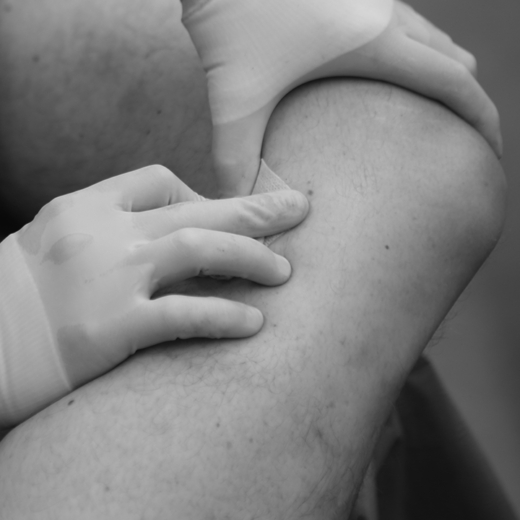
Dr Alex Vesey discusses whether varicose veins are dangerous.
1 / 3
2 / 3
3 / 3
Dr Alex Vesey discusses whether varicose veins can cause high blood pressure.
Dr Alex Vesey discusses whether varicose veins can come back after treatment.
Dr Alex Vesey discusses whether varicose veins are dangerous.
Thank you to Dr Alex and all of the team! From my ultrasound scan to my treatment, I felt completely looked after and at ease all the way through. The procedure was easy and I was able to walk home! Thanks to everyone.
Gary - A McKeown Medical patientOctober 2024
When you first make contact with us you will be assigned your own personal Patient Relationship Manager. They’ll start by understanding your needs and liaising with our doctors to book you an appointment with the most suitable specialist. For any additional questions or needs, you can message or call them anytime and they’ll be delighted to assist you. Our entire team is dedicated to providing you with the best possible treatment and care tailored to your needs.
Keep up to date with the latest news from McKeown Medical and get access to expert insights, our latest before and afters and exclusive offers.


McKeown Medical
167 Bath Street, Glasgow, G2 4SQ
Copyright 2026 © Dr Darren McKeown - Cosmetic Surgery Clinic, Glasgow