McKeown Medical
167 Bath Street, Glasgow, G2 4SQ
McKeown Medical
167 Bath Street, Glasgow, G2 4SQ




Published by Dr Iain Martin
Date posted — 4.06.25

For many women, periods are more than just a monthly inconvenience. They can be genuinely debilitating. Heavy bleeding, painful cramps, bloating, fatigue, and disruption to daily life are common experiences, yet often dismissed or downplayed. One of the most frequent treatment options offered is the contraceptive pill. And while this may help some, it’s certainly not the only – or always the most appropriate – solution.
At McKeown Medical, we believe in empowering our patients with choices. If you’ve been prescribed the pill but still find yourself struggling, there are other options available.
Not all period pain or heavy bleeding is ‘normal’. In fact, these symptoms can be signs of underlying conditions that require proper investigation. Some of the most common causes include:
Many patients who come to us have been living with these conditions undiagnosed for years, often dismissed or given one-size-fits-all treatments. That’s why a thorough, specialist-led diagnostic process is essential. Learn more about diagnostic hysteroscopy at McKeown Medical.
There are ways to support your menstrual health through lifestyle, and while they may not be a cure, they can be a helpful part of a wider management plan.
These methods can offer short-term relief, but if you’re continuing to suffer month after month, further treatment options should be explored.
Beyond the pill, there are several other hormone-based treatments available:
Pros:
Often effective in reducing bleeding and pain, non-surgical
Cons:
Potential side effects (mood changes, bloating, breakthrough bleeding), and not ideal for those seeking hormone-free options or those who have had poor experiences with hormones in the past.
Some patients are simply looking for non-hormonal treatments. Others may have contraindications to hormonal therapies. For these individuals, exploring alternatives becomes a priority.
If you’ve tried medication and lifestyle changes but are still experiencing significant symptoms, surgical interventions may offer more lasting relief.
One of the most compelling, minimally invasive procedures now available is NovaSure® endometrial ablation, particularly for women seeking a non-hormonal yet effective option.
NovaSure® is a quick, safe procedure that removes the uterine lining — the part of the womb that sheds each month during menstruation — to dramatically reduce or stop menstrual bleeding altogether. Performed in under 5 minutes, it doesn’t involve any cuts or stitches, and recovery is usually fast.
Why it appeals to many of our patients:
At McKeown Medical, we’re proud to be the first private clinic in Scotland to offer NovaSure as an outpatient treatment, providing cutting-edge care in a calm, comfortable setting without the need for hospital admission.
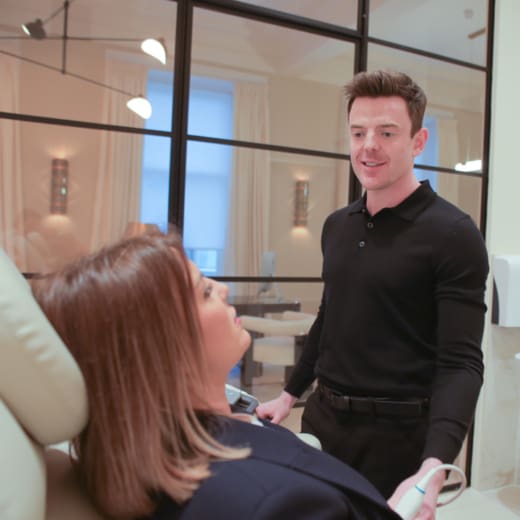
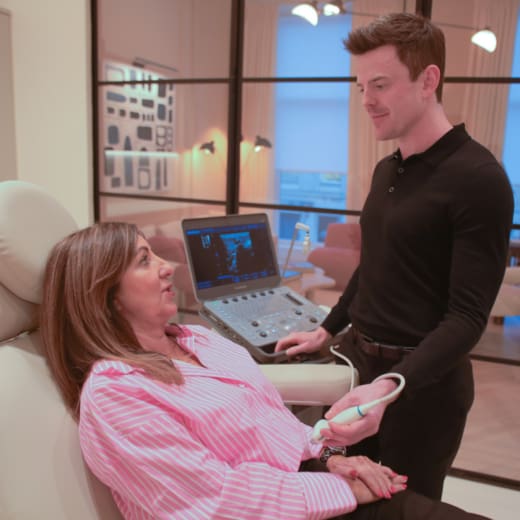
We understand how frustrating it can be to feel dismissed or rushed through the healthcare system. At McKeown Medical, we take a different approach. Led by Dr Iain Martin, a consultant gynaecologist, our clinic offers thorough diagnostic assessments and personalised treatment plans.
Whether you need advanced imaging, diagnostic hysteroscopy, or are exploring your options for NovaSure®, our goal is to help you get answers and relief with compassion, clarity, and expert care.
Don’t just settle for one type of treatment for your heavy or painful periods. At McKeown Medical, our experts can help investigate the cause of your concerns and offer a range of treatments tailored to your specific needs. Book a consultation to talk with our team today.
1 / 3
2 / 3
3 / 3
When you first make contact with us you will be assigned your own personal Patient Relationship Manager. They’ll start by understanding your needs and liaising with our doctors to book you an appointment with the most suitable specialist. For any additional questions or needs, you can message or call them anytime and they’ll be delighted to assist you. Our entire team is dedicated to providing you with the best possible treatment and care tailored to your needs.
Keep up to date with the latest news from McKeown Medical and get access to expert insights, our latest before and afters and exclusive offers.


McKeown Medical
167 Bath Street, Glasgow, G2 4SQ
Copyright 2026 © Dr Darren McKeown - Cosmetic Surgery Clinic, Glasgow