McKeown Medical
167 Bath Street, Glasgow, G2 4SQ
McKeown Medical
167 Bath Street, Glasgow, G2 4SQ

Published by Dr Iain Martin
Date posted — 13.05.25
Period pain, medically known as dysmenorrhoea, is a common experience for many women. Although discomfort during menstruation is widespread, distinguishing between typical pain and severe symptoms that warrant medical attention is crucial for your health and well-being.
Period pain typically manifests as cramping or throbbing sensations in your lower abdomen, which can spread to your back and thighs. It happens due to contractions in your uterus as it sheds its lining during menstruation. There are two main types of dysmenorrhoea:
Recognising symptoms can help differentiate between primary and secondary dysmenorrhoea.
Primary dysmenorrhoea symptoms:
Secondary dysmenorrhoea symptoms:
Primary dysmenorrhoea occurs when prostaglandins build up in the lining of your uterus, intensifying contractions and pain during menstruation.
Secondary dysmenorrhoea is associated with conditions such as:
If your period pain interferes significantly with daily activities or you notice sudden changes in the pattern or severity of your pain, it’s essential to seek medical advice. Tests such as ultrasounds, pelvic examinations, hysteroscopy, or sometimes diagnostic laparoscopy may be required to identify conditions causing secondary dysmenorrhoea.
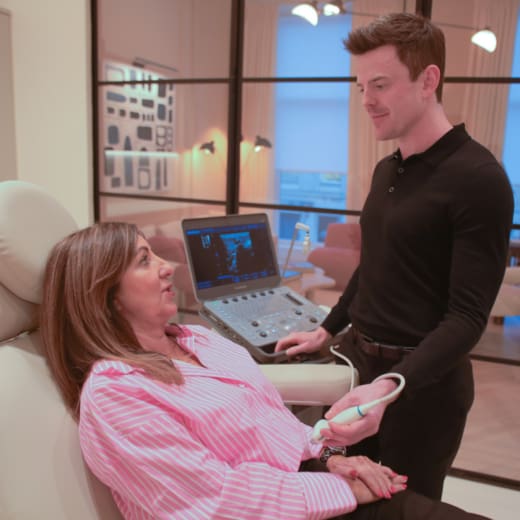
At McKeown Medical, the team and I can provide thorough assessments and diagnoses, particularly for uterine fibroids and polyps.
If uterine fibroids or polyps are identified, our minimally invasive MyoSure® procedure can offer effective relief without traditional surgery. MyoSure® gently removes growths from the uterine lining, significantly improving symptoms like heavy periods, irregular menstrual cycles, or fertility issues often associated with these conditions.
Period pain should never diminish your quality of life. At McKeown Medical, our expert gynaecological consultations provide personalised care, addressing your specific health concerns. With my extensive experience in women’s health, I am dedicated to diagnosing and alleviating your pain, helping you regain comfort and confidence in your daily life.
Painful periods can be difficult to manage and can affect your quality of life. At McKeown Medical, we can help investigate what may be causing your pain and provide a thorough diagnosis. Book a consultation to talk to us today.
1 / 2
2 / 2
When you first make contact with us you will be assigned your own personal Patient Relationship Manager. They’ll start by understanding your needs and liaising with our doctors to book you an appointment with the most suitable specialist. For any additional questions or needs, you can message or call them anytime and they’ll be delighted to assist you. Our entire team is dedicated to providing you with the best possible treatment and care tailored to your needs.
Keep up to date with the latest news from McKeown Medical and get access to expert insights, our latest before and afters and exclusive offers.


McKeown Medical
167 Bath Street, Glasgow, G2 4SQ
Copyright 2026 © Dr Darren McKeown - Cosmetic Surgery Clinic, Glasgow