McKeown Medical
167 Bath Street, Glasgow, G2 4SQ
McKeown Medical
167 Bath Street, Glasgow, G2 4SQ
In clinical practice, we see it time and again: a patient may have a beautiful facial structure, good projection, or well-balanced proportions, but dull or uneven skin can make them look tired, aged, or inflamed. Often these patients over-rely on makeup to camouflage their skin quality, which in itself is ageing. Conversely, bright, even, and healthy skin makes a person look instantly younger, sometimes more than injectables or surgery can.
In this article, we explore why skin quality is so often overlooked, what drives it, and how modern technology can help patients make meaningful improvements.

Published by Dr Darren McKeown
Date posted — 28.01.26
What Do We Mean by “Skin Quality”? Skin quality refers to the characteristics of the skin’s surface and subsurface that affect how it looks in natural light. This includes:
Tone (pigmentation, sun spots, melasma, vascular redness)
Texture (smoothness, fine lines, pore visibility)
Clarity (presence of pigment, broken capillaries, blemishes)
Radiance (light reflectivity, hydration)
Elasticity (collagen and firmness)
Evenness (uniformity across the face)
These features collectively influence how “fresh” or “healthy” a person appears.
Most patients intuitively recognise this; they might say:
“I just look dull.”
“My skin feels uneven.”
“My complexion looks blotchy.”
“I look tired even when I’m not.”
These are skin quality complaints, but many patients assume they need injectables to fix them, when in fact the issue is often biological ageing of the skin itself.
There are four practical reasons skin quality doesn’t get the attention it deserves:
Unlike a wrinkle or a lack of volume, which are relatively obvious, skin quality issues often have multiple overlapping causes:
Pigment from sun exposure
Redness from vascular changes
Loss of collagen
Roughness from cellular turnover
Pore changes from oil production
UV damage beneath the surface
Different causes require different solutions, which makes diagnosis key.
Good skincare matters. But:
Skincare can maintain the skin barrier
Skincare can improve hydration
Skincare can provide antioxidants
However, it cannot:
Destroy pigment
Close broken capillaries
Stimulate deep dermal collagen
Reverse UV-induced DNA changes
This is where laser and light-based treatments become important.
Although makeup can, of course, conceal the surface of the skin, it is often over-relied upon and eventually sinks into imperfections in the surface of the skin, and it emphasises imperfections.
Patients rarely know that “skin age” can be measured or tracked, so the conversation never starts.
That’s where modern imaging devices come in.
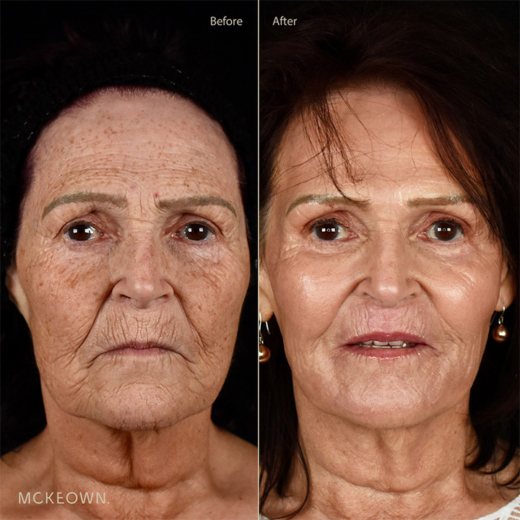
Multiple studies have shown that people subconsciously judge age not by wrinkles or sagging alone, but by characteristics of the skin surface such as uneven tone, blotchiness, and rough texture.
For example:
Pigmentation adds years by creating unevenness
Redness can make the skin look inflamed or stressed
Loss of collagen dulls the surface and reduces elasticity
Texture and pores reduce light reflectivity
UV damage accumulates silently until later life
Improving these features often creates a more natural rejuvenation, leaving the face looking renewed rather than altered.

In the past, clinics relied on visual assessment and patient description.
Today, we can objectively measure:
UV damage
Brown pigment
Redness and vascularity
Texture and pores
Bacteria/porphyrins
Collagen-related ageing markers
Biological “skin age.”
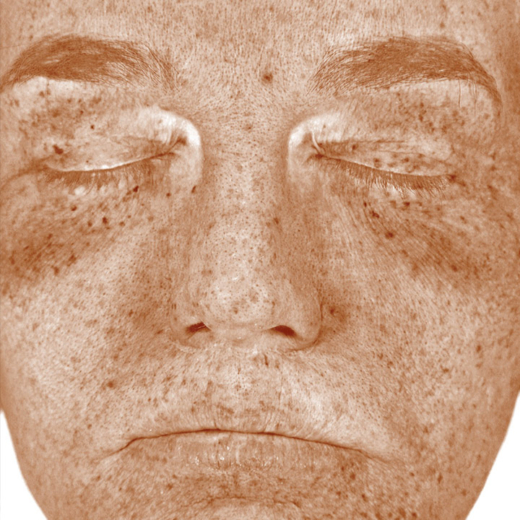
At McKeown Medical, we use the VISIA® Skin Analysis System, which produces a comprehensive breakdown of each of these factors, including a ‘True Skin Age’ score, a measurable comparison of biological versus chronological ageing.
This makes treatment planning:
More accurate
More personalised
More evidence-based
It also allows patients to track progress over time.
These include:
Pigmentation lasers (for sun damage and brown spots)
Vascular lasers (for redness, capillaries, and inflammation)
Fractional resurfacing lasers (for collagen, texture, and pores)
Full field laser resurfacing (for removing the deepest lines and wrinkles)
Lasers work because they target chromophores such as pigment, haemoglobin, and water while stimulating tissue remodelling in the skin.
Technologies designed specifically to stimulate collagen production can also play a role in improving overall skin quality. For example, Sofwave skin tightening uses focused ultrasound energy to stimulate new collagen formation within the dermis, helping improve firmness, elasticity, and skin texture without surgery.
Once the laser has corrected the underlying issues, skincare holds the result by:
Maintaining barrier function
Reducing oxidative stress
Supporting collagen turnover
Preventing pigment recurrences
This creates a maintenance ecosystem, rather than a constant starting-over loop.
Factors that meaningfully affect skin quality include:
UV exposure
Sleep
Stress hormones
Smoking and alcohol
HEVL exposure
Nutrition
Prevention is much easier than reversal, and VISIA helps visually demonstrate this.
The most rational approach to improving skin quality is:
Once the biological drivers of ageing are identified, treatments can be selected far more strategically. For patients interested in non-surgical collagen stimulation and skin tightening, options such as Sofwave London treatments can help improve skin firmness while supporting long-term improvements in tone, texture, and overall skin health.
Skin quality is one of the most meaningful yet overlooked aspects of aesthetic medicine. Improving tone, texture, and clarity often delivers a more natural-looking rejuvenation than altering structure, because the skin itself looks healthier, brighter, and biologically younger.
With the right diagnostics and modern treatment options, patients can finally stop guessing and start making strategic, measurable improvements.
To book your VISIA skin assessment, call us on 0141 570 0309 or complete our simple online consultation.
Discover what ‘True Skin Age’ means, how it’s measured using VISIA, and the evidence-based ways to improve your biological skin...
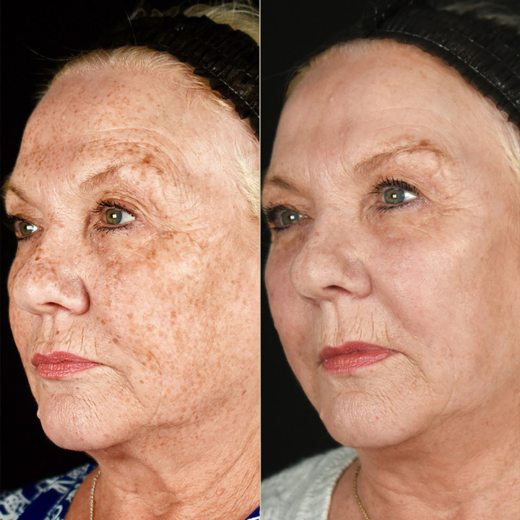
Pigmentation, redness and texture issues all have different causes. Learn what’s happening beneath the skin, and why VISIA analysis helps...
1 / 2
2 / 2
Discover what ‘True Skin Age’ means, how it’s measured using VISIA, and the evidence-based ways to improve your biological skin...
Pigmentation, redness and texture issues all have different causes. Learn what’s happening beneath the skin, and why VISIA analysis helps...
When you first make contact with us you will be assigned your own personal Patient Relationship Manager. They’ll start by understanding your needs and liaising with our doctors to book you an appointment with the most suitable specialist. For any additional questions or needs, you can message or call them anytime and they’ll be delighted to assist you. Our entire team is dedicated to providing you with the best possible treatment and care tailored to your needs.
Keep up to date with the latest news from McKeown Medical and get access to expert insights, our latest before and afters and exclusive offers.


McKeown Medical
167 Bath Street, Glasgow, G2 4SQ
Copyright 2026 © Dr Darren McKeown - Cosmetic Surgery Clinic, Glasgow