McKeown Medical
167 Bath Street, Glasgow, G2 4SQ
McKeown Medical
167 Bath Street, Glasgow, G2 4SQ
Pigmentation, redness, and texture issues all have different causes. Learn what’s happening beneath the skin, and why VISIA analysis helps diagnose it properly.

Published by Dr Darren McKeown
Date posted — 30.01.26
Patients often come to the clinic, describing frustrations like:
“My skin tone looks uneven.”
“I have red patches or broken veins.”
“My pores look large.”
“My skin just looks blotchy or tired.”
These concerns are incredibly common and often grouped under vague terms like “bad skin”, “sun damage”, or “sensitivity”. But in reality, pigmentation, redness, and texture are driven by different biological processes, each with its own causes and treatment pathways.
This is where modern skin imaging and diagnostics become essential. Without understanding the underlying problem, patients end up wasting money on products or treatments that simply aren’t designed for the issue they’re trying to fix.
Let’s break down what’s really happening beneath the surface.
Pigmentation refers to excess melanin in the skin, the pigment that gives skin its colour. Common forms include:
Sunspots/sun damage
Freckles (ephelides)
Melasma
Post-inflammatory hyperpigmentation (PIH)
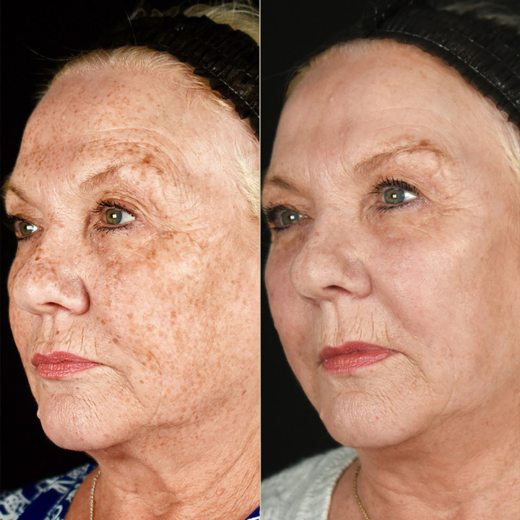
The primary drivers include:
UV exposure
Triggers melanocytes to produce pigment as protection.
Hormonal changes
Common in melasma (pregnancy, OCP use).
Inflammation
Acne or injury can trigger pigment as it heals (PIH).
Genetics
Some skin types produce pigment readily.
Two patients may look similar to the naked eye, but have:
Epidermal pigment (more superficial)
Dermal pigment (deeper)
Mixed melasma (both)
Inflammatory PIH
UV-induced lentigines
They require different treatments. VISIA’s UV analysis helps distinguish surface vs subsurface pigment, something that’s almost impossible to diagnose accurately by eye alone.
Redness is driven by blood vessels, not pigment. Common forms include:
Flushing
Broken capillaries (telangiectasia)
Diffuse background redness
Rosacea
Post-inflammatory erythema (PIE)

Key drivers include:
Sun exposure
Genetic vascular sensitivity
Rosacea
Sebaceous activity
Inflammation
Heat, exercise, alcohol
Compromised barrier function
This is why patients often say:
“My skin gets red easily,” or
“I look flushed even when I’m calm,” or
“I have visible veins around my nose.”
Redness is often mistaken for:
Sensitivity
Allergy
Sunburn
Pigmentation
Acne
But vascular and pigment problems are entirely different, a key reason patients frequently waste money on the wrong products.
VISIA’s RBX® analysis isolates brown vs red channels, allowing accurate mapping of vascular vs pigment components.
Texture issues include:
Roughness
Fine lines
Acne scarring
Pore visibility
Surface irregularities
exture is influenced by:
Collagen degradation
Elastin loss
Oil production
Inflammation
Ageing-related thinning
Cellular turnover
As we age, collagen production slows, and the dermal scaffolding weakens, causing:
Larger-looking pores
Less reflective skin
Fine lines and creasing
Rough or uneven patches
Texture problems are structural, not pigment-based, so they require different approaches.
Skincare can improve:
Barrier function
Hydration
Inflammation
Pigment suppression
Antioxidant protection
But it cannot:
Close blood vessels
Break down accumulated pigment
Remodel collagen
Reverse UV injury in the dermis
This is why correct diagnosis is crucial, so patients don’t try to “treat redness with vitamin C” or “treat melasma with exfoliation”, etc.
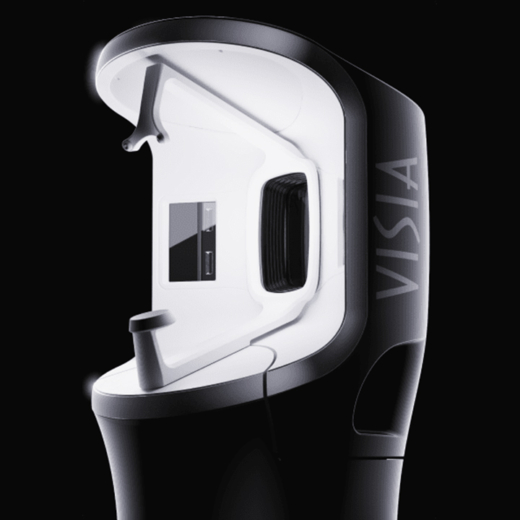
The VISIA® Skin Analysis System offers objective data on:
Brown pigmentation
UV damage
Redness & vascularity
Texture & pores
Bacterial porphyrins
Wrinkles & collagen markers
True Skin Age
A VISIA scan reveals the dominant issue, so treatment plans are rational rather than speculative.
For example:
Patient thinks it’s “pigment” → VISIA shows vascular rosacea
Patient thinks it’s “dryness” → VISIA shows dermal UV damage
Patient thinks it’s “sensitivity” → VISIA shows inflammatory redness
Patient thinks it’s “large pores” → VISIA shows collagen degradation
This is where diagnosis saves time, money, and frustration.
Pigmentation, redness, and texture issues may all look similar at first glance, but they are driven by different biological mechanisms. Treating them effectively starts with understanding what’s actually happening beneath the skin.
Objective imaging, like VISIA, makes that possible, and empowers patients to pursue treatment pathways tailored to their skin’s real needs.
To book your VISIA skin assessment, call us on 0141 570 0309 or complete our simple online consultation.
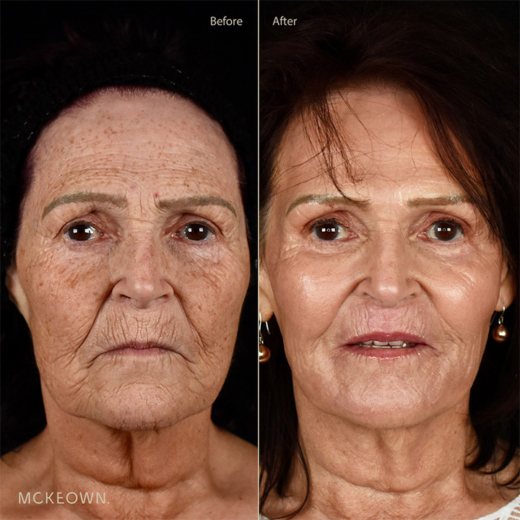
Skin quality is the missing piece in aesthetic medicine. Discover why tone, texture and clarity matter—and how lasers and VISIA...
Discover what ‘True Skin Age’ means, how it’s measured using VISIA, and the evidence-based ways to improve your biological skin...
1 / 2
2 / 2
Skin quality is the missing piece in aesthetic medicine. Discover why tone, texture and clarity matter—and how lasers and VISIA...
Discover what ‘True Skin Age’ means, how it’s measured using VISIA, and the evidence-based ways to improve your biological skin...
When you first make contact with us you will be assigned your own personal Patient Relationship Manager. They’ll start by understanding your needs and liaising with our doctors to book you an appointment with the most suitable specialist. For any additional questions or needs, you can message or call them anytime and they’ll be delighted to assist you. Our entire team is dedicated to providing you with the best possible treatment and care tailored to your needs.
Keep up to date with the latest news from McKeown Medical and get access to expert insights, our latest before and afters and exclusive offers.


McKeown Medical
167 Bath Street, Glasgow, G2 4SQ
Copyright 2026 © Dr Darren McKeown - Cosmetic Surgery Clinic, Glasgow